


Recommend us to your friends on Google

Welcome to Allens of Mayfair
Welcome to Allens of Mayfair

Please find below some of our top tips. Click here to go to our Recipes section.
Place in a hot oven 190c/375f/Gas mark 5
Cooking time
Rare 20 minutes per kg
Medium 30 minutes per kg
Well done 35 minutes per kg
Baste the joint with the juices at least three times during cooking. When meat is done remove from the oven and allow resting for 20 minutes. This enables the joint to re-absorb all the delicious juices that have been produced making carving the joint much easier.
Serve with roast potatoes, Yorkshire pudding, Seasonal vegetables and Gravy.
Horseradish & Mustard are perfect to accompany this meal
By Stephen Collins- Executive Head Chef at All Star Leisure Group
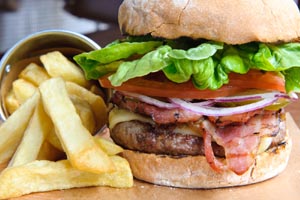
1. Use the burgers on the day of purchase or buy them as close as possible to the day you wish to use them
2. Season the burger well with table salt and fresh ground black pepper
3. Rub with a little good quality cooking oil, I recommend rapeseed oil, onto the outside surface (literally a spot of oil on either side)
4. Cooking a burger medium will mean that there is blood in the middle but this is not raw, if you do not like blood in your meat cook to the well done guidelines.
5. If you cook well done there should still be some juice in it this is the blood but it should be clear this means it is cooked all the way through but will still be a nice moist pattie/burger.
6. If you prefer it with no juice leave for a further 2 mins each side
7. When cooking ensure all of the cooking equipment is hot before you use it.... do not be afraid if your frying pan or griddle plate are smoking before you start cooking this is at optimum temperature and once you place the burger or burgers in the pan it will cool down.
8. Once the burger is on the desired cooking surface do not poke and prod or move about, allow it to sit in the same position and caramelise the meat, this is where you get the flavour (but obviously don’t allow it to burn) then after desired amount of time turn it over and leave to do the same on the other side.
9. Serve .... I love a burger on a nice toasted fresh burger bun with salad and pickles.
1. If you decide to freeze your meat when you receive it, you should allow plenty of time for it to defrost before cooking. It is safer if it can defrost in the fridge, and the meat tends to taste better too (this is because there is less drip loss and the meat will be more succulent).
2. Never leave meat to thaw in a warm environment, for example next to a radiator or even a warm windowsill that catches the sun. This can lead to risk of food poisoning.
3. If you are short of time, place the meat (still in the vacuum pack) in a clean sink or bowl and leave it under a cold running tap. The more water that can circulate around the meat, the faster it will thaw. This method can reduce the defrosting time by a third to half but should only be used in an emergency.
4. Do not be tempted to cook the meat from frozen or defrost in the microwave as this can make the meat dry out and become very tough.
1. An electric or gas BBQ may take 10 to 20 minutes to preheat and a charcoal BBQ needs to be heated until the coals are covered with a layer of ash (approx. 45 minutes). Stock up on charcoal, rather than briquettes. It heats more evenly and has a better, more natural aroma.
2. For best results, treat the meat you barbecue outdoors with the same respect as when you cook in your kitchen. Allow the meat to come to room temperature for at least 20 minutes. Brush the meat with oil. This helps the searing process and prevents sticking.
3. Careful seasoning is necessary. The meat could be marinated beforehand or sprinkled with herbs and pepper. Season with salt at the very last moment only, as salt will draw out juices and prevent the meat from browning properly.
4. Never hurry a steak on your barbecue. Cook slowly until browned, and turn gently just once. Use long handled tongs rather than a fork which may pierce the meat and allow valuable juices to escape. Wear an oven glove, covering the arm to prevent burning.
5. It’s all too easy to overcook on a barbecue, leading to charred, leathery, dry meat. To ensure even cooking use the 60/40 method. Cook the meat for 60% of the time on the first side, then turn and cook for the remaining 40%. Take care: As soon as the meat browns it must be moved further away from the heat source so that the inside can cook before the surface burns (The exceptions are thin cuts such as mini-steaks and medallions). Raise the rack so that it is about 30cm (12) above the charcoal- at this height the temperature is just right.
6. To test, take the meat from the heat source and place on a clean plate. Press the meat gently with the tip of your finger. Rare should be soft and supple, well done firm, and medium in between. A meat thermometer is invaluable for checking larger cuts. Insert the probe horizontally into the thickest part of the meat. Please note that the internal temperature will continue to rise by a few degrees once the meat is removed from the heat source. Therefore remove the meat 3-5ºC before it reaches the desired internal temperature.
7. Once the meat is cooked to your liking it must be rested. During resting, the temperatures within the meat fuse, the juices in the middle move to the outside and it becomes warm, moist and tender all the way through. To rest your meat, place it on a rack so it doesn’t lie in its own juices. Cover with foil and leave in a warm place for up to 20 minutes. Remember, it is always better to over-rest meat than to under-rest it
1. Prepare the meat
At least 30 minutes before cooking, remove the meat from its packaging and pat dry with kitchen paper. Allow the meat to come to room temperature. Pre-heat the oven to 140ºC-160ºC/275-325ºF/Gas 1-3.
2. Sear for flavour
Heat a large ovenproof pan on a high heat, add a little oil and sear the meat until nicely browned all over. For stews and casseroles, sear the small pieces of meat in batches, to make sure they are evenly browned all over. Then take out the meat and sear the vegetables until nicely caramelised.
3. Add the liquid
After searing the vegetables, place the meat back in the pan. Add wine, stock or a mixture, and herbs such as bayleaf, peppercorns or cloves. Make sure that the liquid covers at least a third to a half of the meat and bring gently to the boil on the hob. This is known as deglazing.
4. The cooking process
Cover with a lid and transfer into the preheated oven, or continue to simmer gently on the hob at a very low temperature. For the perfect braise we recommend using the oven method as the process is more gentle and the meat does not stick to the bottom of the pot as it can with the hob method. Check from time to time and top up with liquid if needed.
5. Test the meat
Cooking times vary depending on the cut and your oven. As a rule of thumb, you should check casseroles after 1 hour and at regular intervals thereafter. The easiest way to check joints is to use a meat fork, inserted into the thickest part of the meat. The fork should go in and out easily. With stews and casseroles, simply take a piece out and taste it.
1. Prepare the meat and equipment
Before cooking, remove the meat from its packaging and pat dry with kitchen paper. Allow the meat to come to room temperature for up to 30 minutes before cooking. Preheat the oven (with the fan turned off) to 80ºC and place a roasting tray in the oven to heat up. Heat a griddle or frying pan on high. Add a little olive oil to the pan, or brush the oil directly onto the meat to avoid using too much. Sear the meat on all sides to brown it all over. This will vastly improve both the flavour and appearance of your meat.
2. Using the meat thermometer
Season the meat with salt and pepper. (Do not season before searing as salt can suck the moisture out of the meat). Place the meat on the preheated roasting tray. Set the meat thermometer to the desired internal temperature and insert the probe horizontally into the centre of the meat. Place the meat in the preheated oven with the thermometer cord through the door (the main unit remains outside).
3. The cooking process
Keep the oven door closed during cooking. Opening the door lets heat escape and increases the cooking time. When the thermometer beeps your meat is ready to serve straight away. There is no need to rest your meat as it has rested during the cooking process. The lower temperatures allow the meat juices to circulate continually during cooking so the meat stays incredibly soft and the joint is cooked more evenly.
1. Prepare the joint
Before cooking, remove the meat from its packaging and pat dry with kitchen paper. Allow the meat to come to room temperature well in advance or for at least 30 minutes before cooking. This is essential to help the meat cook evenly.
2. Preheat the oven
Starting with a very hot oven helps to seal the joint to prevent juices escaping. Then the temperature is reduced to cook it evenly all the way through. Season the joint generously with salt and pepper just before cooking.
3. Cook to your liking
A large joint will continue to rise in temperature by a further 3-5ºC after it is removed from the oven. Be careful not to overcook, as this will make the meat dry and tough.
4. Rest your joint
Once your joint is cooked to your liking it is important to rest it. Place it on a board or platter, cover with foil, then leave in a warm place for at least 20 minutes. Resting is just as important as cooking, as it allows the meat to become warm, moist and tender all the way through.
1. Bring the meat to room temperature
About thirty minutes before you start cooking, remove the meat from its packaging and pat dry with kitchen paper. Spread out your meat on a board in a single layer. This will allow the meat to come to room temperature and it also keeps the meat tender and juicy.
2. Preheat your pan & oven
Preheat oven to 230°C/445°F/ Gas 8. Once the frying pan or griddle is very hot, add a little olive oil to the pan, pre brush the oil directly onto the meat. Sear the meat in the pan. When you place the meat into the pan you should hear a sizzle.
3. Cook to your liking
After searing the meat on your pan, gently place your meat uncovered in a roasting tin, and put it into the preheated oven. Be careful not to overcook the meat as this can cause it to dry out and become tough.
4. Resting
Remove the meat from the oven. Cover with foil and leave to rest in a warm place for at least 10 minutes. Resting is as important as cooking, as it allows the meat to become warm, moist and tender. Use this time to warm plates, prepare vegetables or make a sauce.
5. Serve your meat
Lay your table with razor-sharp, un-serrated steak knives designed to cut cleanly through the meat. A blunt knife makes the meat seem less tender, and a serrated knife encourages your guests to saw, both of which can ruin even the most beautifully cooked meat.
1. Prepare the meat
About 20 minutes before you start cooking, remove the meat from its packaging and pat dry with kitchen paper. Spread out your meat on a board in a single layer. This will allow the meat to come to room temperature.
2. Preheat you pan
Make sure your griddle or frying pan is preheated to the highest temperature before you start to cook your steaks. It should be hot enough that you hear a sizzle when you place the meat into the pan. Using a pan which is not hot enough can cause toughness. We would recommend adding a little olive oil to the pan.
3. Cook to your liking
Cook on one side first, and then the other. Turn your meat gently and only once to avoid letting out precious juices and drying the meat out. Be careful not to overcook as this can make the meat dry and tough.
Tip: If possible, use a meat thermometer to check the internal temperature of your meat.
4. Rest your meat
During resting the juices move evenly through the whole steak and the full flavour and tenderness develops. Place the meat on a rack so it doesn’t’ lie in their own juice, cover with foil and leave in a warm place.
5. Use a good knife
Always use a razor-sharp knife to cut your steaks. A sharp blade slices cleanly through the steak.
To order simply click
'Add to Basket' Or call us on
020 7499 5831 Provenance is key

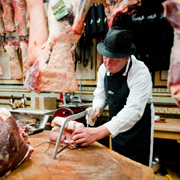
Allens of Mayfair is London's oldest and finest Butcher
Why not learn from the best.

Recommend us on Google


 |